


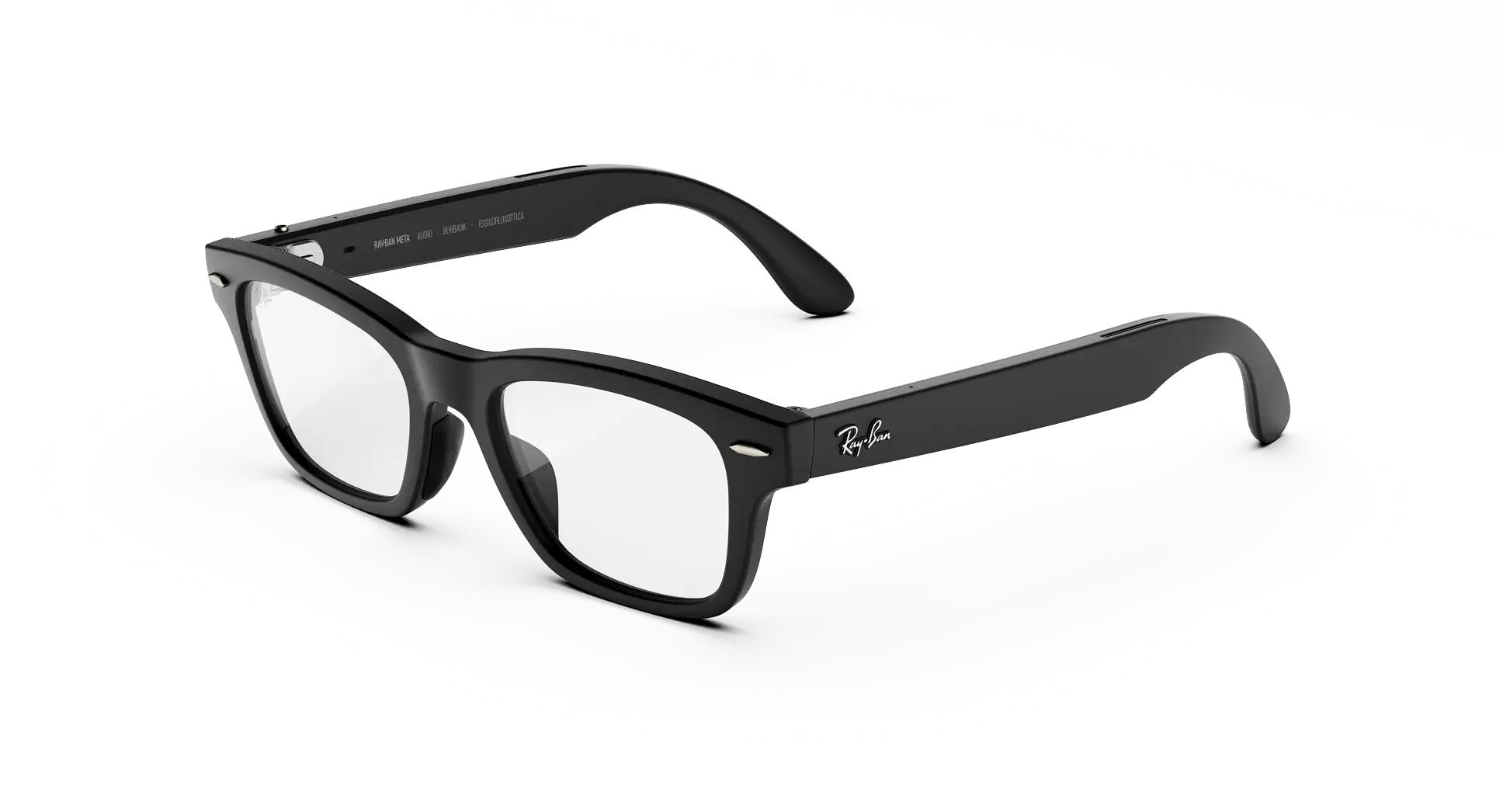
The latest generation of Meta’s smart glasses, comprising the Ray-Ban Meta, Oakley Meta HSTN, and Vanguard lines—represents a massive leap in wearable AI. With over 7 million units sold in 2025 alone, these devices are quickly moving from niche gadgets to mainstream fashion.
However, as the technology becomes more seamless, the line between “convenient” and “creepy” is blurring, fueled by a surge of viral videos showcasing both the glasses’ potential and their potential for abuse.
The Tech: High-Definition Memories on Your Face
The new Meta glasses are designed to replace your phone for quick captures and basic queries. Key features include:
- 3K Ultra HD Video: A significant upgrade from previous models, capturing sharp, wide-angle footage.
- Meta AI & Live Translation: Wearers can ask questions about what they see or hear real-time translations in languages like French, Italian, and Spanish.
- The “Display” Model: The premium Meta Ray-Ban Display ($799) includes a heads-up display and neural gesture controls for hands-free interaction.
Social Media: The New Frontier of “Joybait” and Harassment
As these glasses flood the market, social media platforms like TikTok and Instagram have seen a massive rise in content filmed entirely through the frames.
Influencers are using the “hands-free” nature of the glasses to create “joybait”—videos of them complimenting strangers or performing random acts of kindness. Because the camera is at eye level, the footage feels more intimate and authentic than a handheld phone.
The Darker Side: Hidden Recording
Conversely, a disturbing trend of “stealth” content has emerged.
- Prank & Pickup Culture: “Pick-up artists” and pranksters are using the discreet frames to record interactions with women, service workers, and vulnerable populations without their clear consent.
- Non-Consensual Sharing: Reports from the BBC and cybersecurity experts have highlighted cases where women were recorded in gyms, bars, and salons, only to find the footage later uploaded to social media where it was met with abusive or sexualized comments.
- Bypassing Safeguards: While the glasses feature a white LED to signal recording, some creators have admitted on social media to using third-party services or physical covers (like black tape) to disable the light, effectively turning the glasses into hidden surveillance tools.
View this post on Instagram
The “Name Tag” Controversy
The most significant privacy flashpoint involves a feature internally called “Name Tag.” According to leaked internal memos, Meta has been preparing to integrate facial recognition that could identify individuals in real time.
The 90-Second Dox
In a viral demonstration, Harvard students showed that by “hacking” the glasses with existing face-search engines, they could identify a stranger and pull up their home address and phone number in under two minutes. Meta’s official “Name Tag” feature would reportedly link faces to their 3 billion+ users across Facebook and Instagram.
The “Strategic” Launch Window
The leaked memo suggests Meta planned to roll out this feature during a “dynamic political environment.” The logic? Privacy advocacy groups would be too distracted by global events to mount an effective protest against the erosion of public anonymity.
Privacy Measures (And Their Flaws)
Meta insists that privacy is baked into the design, but critics are skeptical.
| Feature | How it Works | The Concern |
| Capture LED | A white LED blinks (photo) or stays on (video) to alert others. | The light is tiny and easily obscured or ignored in bright sunlight. |
| Voice Commands | Audible “Hey Meta” alerts those nearby that the AI is active. | Users can also use a physical button, which is virtually silent. |
| On-Device Toggle | A physical switch on the arm can kill power to the camera/mics. | Most users leave the device on for the “always-ready” AI assistant. |
How to Protect Your Privacy
As these glasses become more common, maintaining your anonymity in public requires a proactive approach:
- Look for the Light: In social settings, keep an eye out for the small glowing LED on the corner of Ray-Ban or Oakley frames.
- Audit Your Own Presence: Review your Meta (Facebook/Instagram) privacy settings. Ensure your profile is private and that you have disabled “face recognition” for photo tagging to prevent being “indexed” by AI.
- Know the Law: In “two-party consent” states like California, recording private conversations without permission remains illegal, even if the recording device is a pair of sunglasses.


Feeling lost in the digital world? Dr. Tom is here to help!
Join Dr. Tom every week in his column, Dr. Tom’s Cyber Bits and Tips, for byte-sized advice on all things cyber and tech. Whether you’re concerned about online safety, curious about the latest cybercrime trends, or simply want to navigate the ever-evolving digital landscape, Dr. Tom has you covered.
From practical cybersecurity tips to insightful breakdowns of current threats, Dr. Tom’s column empowers you to stay informed and protect yourself online. So, dive in and get savvy with the web – with Dr. Tom as your guide!