TSA Reiterates Warning: Avoid Airport USB Chargers and Public Wi‑Fi
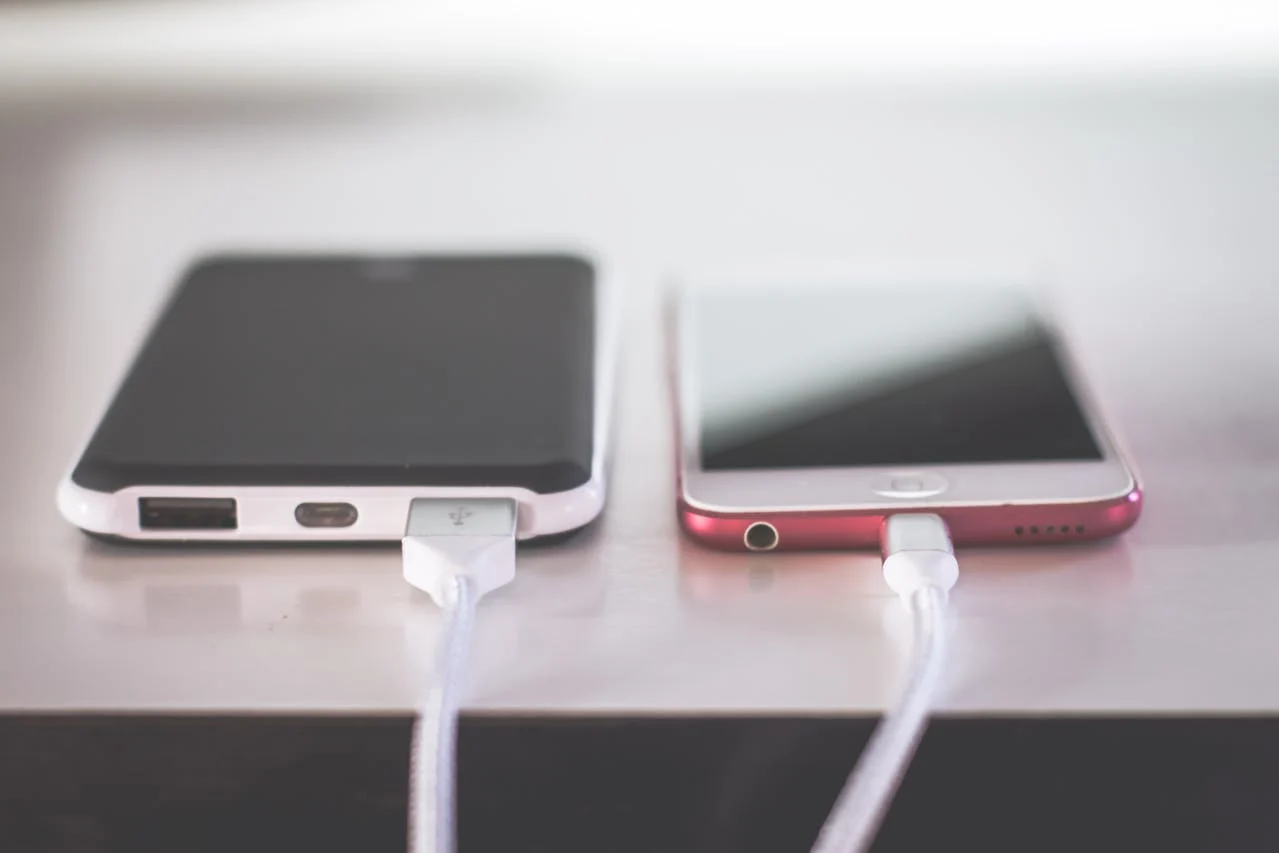
The Transportation Security Administration (TSA) is again urging travelers to steer clear of public USB charging ports and unsecured airport Wi‑Fi—a warning echoed by federal agencies including the FCC and FBI.
Juice‑Jacking: A Persistent Threat
“Juice‑jacking” occurs when hackers embed malware into public USB ports, exploiting connected devices to steal data or install malicious software. Despite no confirmed widespread attacks, federal authorities continue sounding the alarm.
- The FCC cautions travelers to use AC outlets and carry personal chargers or battery packs to prevent exposure through public USB ports and free Wi‑Fi networks .
- The FBI’s Denver office also warned: “Bad actors have figured out ways to use public USB ports to introduce malware and monitoring software”—advising the public to “carry your own charger and USB cord and use an electrical outlet instead” .
Improved Security, Yet Risks Remain
Although mobile operating systems have added USB safeguards, a novel method called “ChoiceJacking” was discovered in 2025. Researchers showed it can trick devices into accepting unauthorized data transfers by simulating user actions—even on up‑to‑date iOS and Android devices .
How to Stay Safe While Traveling
| Threat | Recommended Precaution |
| Public USB Charging | Use AC outlets or bring your own USB cable and power brick; power-only (no data) cables or USB data‑blockers (“USB condoms”) prevent data exchange . |
| Public Wi‑Fi | Avoid sensitive transactions on unsecured networks; instead, use cellular data or trusted airport Wi‑Fi with a VPN . |
| Device Security | Keep software updated, disable Bluetooth when not in use, lock devices before charging, and monitor for unusual behavior . |
What Travelers Should Do
- Pack your own charger – Use AC adapters or battery packs instead of public USB ports.
- Use charge‑only cables or USB blockers – These prevent any data connection while charging.
- Keep devices locked and software current – Prevents malware installation.
- Skip public Wi‑Fi for sensitive tasks – Rely on mobile data or secured networks and consider using a VPN.
Federal warnings from the TSA, FCC, and FBI reflect growing concern over these cyber threats—despite no large-scale incidents to date. Travelers can avoid risks by adopting simple habits: carry personal charging gear, choose secure networks, and remain vigilant.